Dead Tree Removal in Duluth, MN
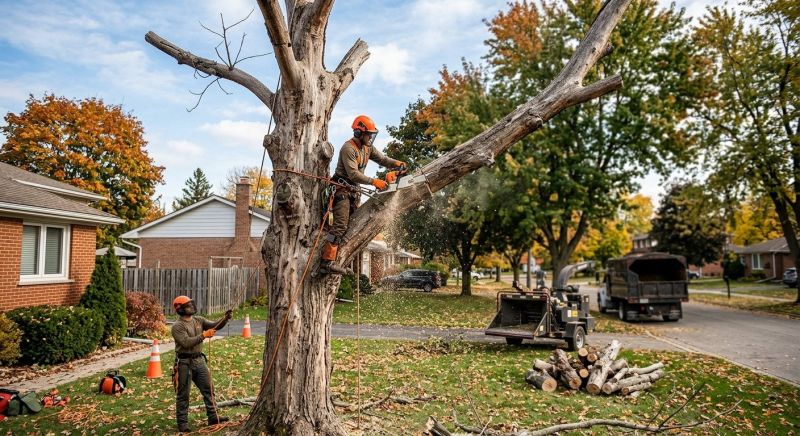
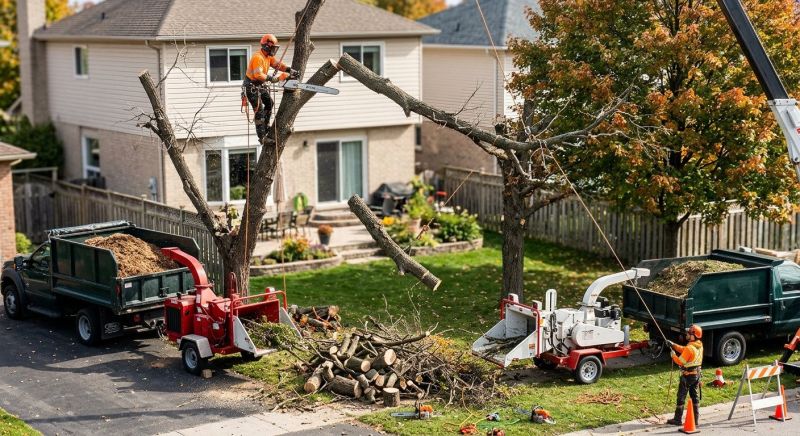
Dead tree removal services involve safely and efficiently removing trees that are dead, decaying, or pose a risk to property or safety. This service covers a variety of projects, including removing trees that have become hazardous due to disease, storm damage, or age, as well as clearing fallen or uprooted trees after storms. Property owners typically seek this service to prevent potential property damage, eliminate safety hazards, or improve the appearance of their landscape by removing unsightly or dangerous trees.
Before requesting dead tree removal, property owners should consider the size and location of the tree, as well as any nearby structures or utility lines. It’s important to understand the extent of the work involved, such as whether stump grinding or removal is included, and to be aware of any potential access issues on the property. Having a clear understanding of these factors can help ensure the project proceeds smoothly and safely.
Many property owners in Duluth, MN look into Dead Tree Removal for repairs, replacements, upgrades, and appearance-related improvements.
Reasons For Dead Tree Removal
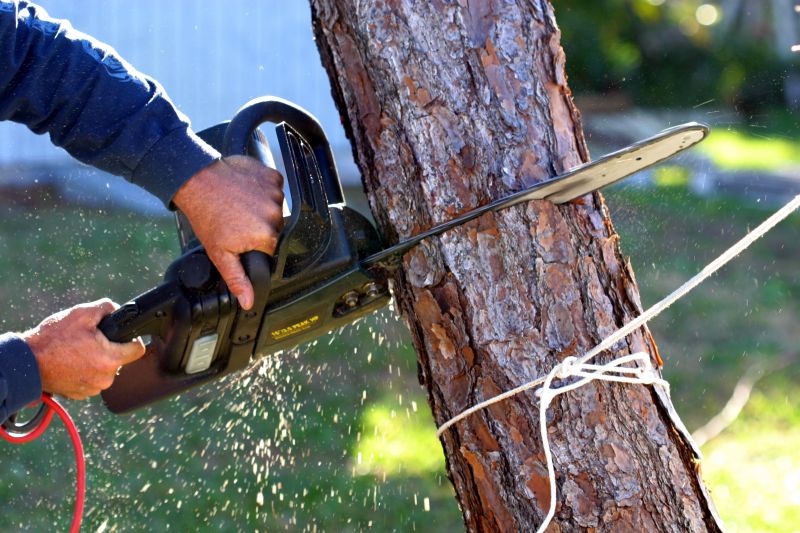
Removing dead trees helps prevent property damage and enhances safety around your home.
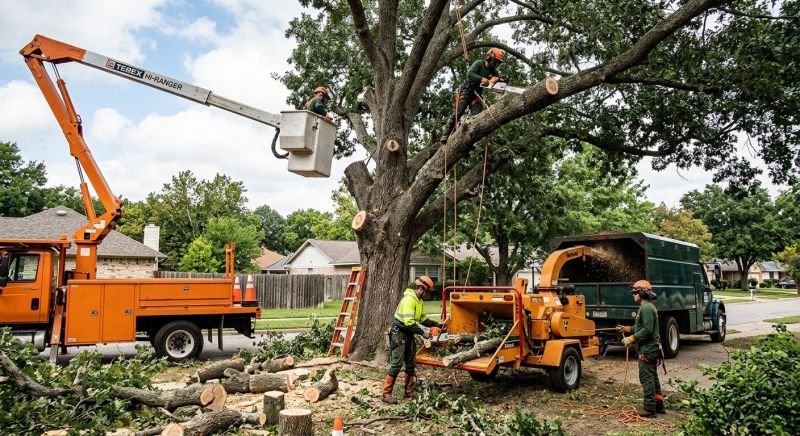
Signs A Tree Needs Removal
Indicators include dead branches, leaning trunks, and visible decay or disease symptoms.
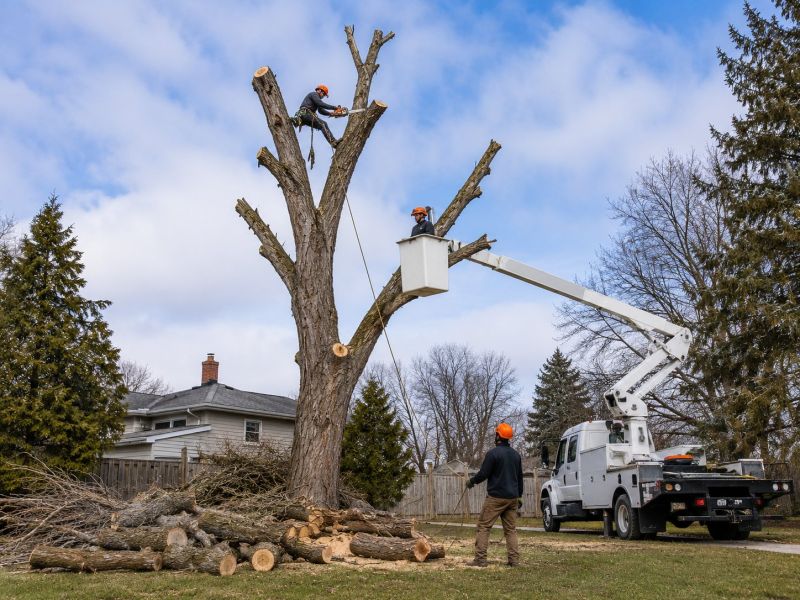
Common Removal Methods
Techniques involve careful cutting, stump grinding, and debris cleanup to restore your landscape.
Dead Tree Removal in Duluth, MN
Dead tree removal services involve safely and efficiently removing trees that are dead, decaying, or pose a risk to property or safety. This service covers a variety of projects, including removing trees that have become hazardous due to disease, storm damage, or age, as well as clearing fallen or uprooted trees after storms. Property owners typically seek this service to prevent potential property damage, eliminate safety hazards, or improve the appearance of their landscape by removing unsightly or dangerous trees.
Before requesting dead tree removal, property owners should consider the size and location of the tree, as well as any nearby structures or utility lines. It’s important to understand the extent of the work involved, such as whether stump grinding or removal is included, and to be aware of any potential access issues on the property. Having a clear understanding of these factors can help ensure the project proceeds smoothly and safely.
Many property owners in Duluth, MN look into Dead Tree Removal for repairs, replacements, upgrades, and appearance-related improvements.
Common Dead Tree Removal Jobs
Dead tree removal - safely eliminates hazardous or decayed trees from residential properties.
Storm-damaged tree removal - clears trees broken or weakened by severe weather to prevent further damage.
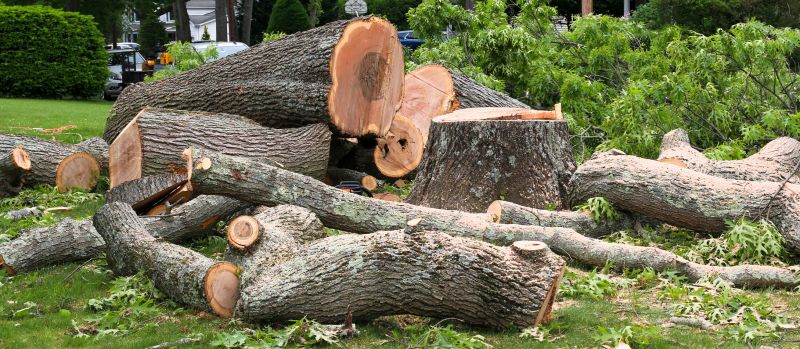
Uprooting and stump grinding - removes entire trees and grinds stumps to improve landscape safety and appearance.
Selective tree removal - targets specific trees to manage overgrowth or improve property aesthetics.
Emergency dead tree removal - provides prompt service for fallen or imminently hazardous trees.
Tree health assessment - evaluates dead or dying trees to determine removal necessity and safety.
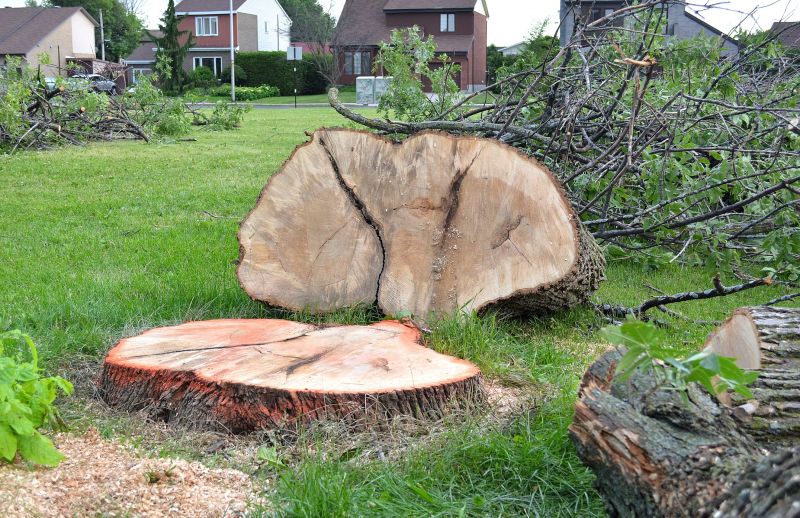
Dead Tree Removal Questions
What types of trees can be removed? Most common tree species can be safely removed, including dead, damaged, or hazardous trees on residential properties.
Is dead tree removal necessary? Removing dead trees helps prevent potential damage to property and reduces safety risks from falling branches or trunks.
What should property owners consider before removal? It’s important to assess the tree’s location, size, and condition to determine the best removal method and minimize impact on the landscape.
How does dead tree removal impact the landscape? Proper removal can improve safety, prevent damage, and prepare the area for future planting or landscaping projects.
Request Dead Tree Removal in Duluth, MN
Use the quote form on this page to share the basics of your project and request more information for the type of work you need.